Planning a wedding in Dubai while living abroad can feel complicated. A professional wedding planner helps connect the venue, suppliers, guest arrangements and event schedule into one coordinated experience. Here is how destination wedding planning typically works—and what couples should confirm before booking.
Planning a Dubai Wedding From Abroad
Organising a wedding in another country involves more than choosing a beautiful setting. Couples must understand local venue options, compare suppliers, manage guest arrangements and coordinate decisions across time zones. A wedding planner in Dubai can become the central point of contact, translating the couple’s priorities into a practical plan. Whether the celebration is intimate or large, the process works best when responsibilities, budgets and deadlines are agreed early.
1. Understanding the Couple’s Vision and Priorities
The process begins with a detailed consultation. A planner asks about the number of guests, preferred dates, cultural or religious requirements, ceremony style, décor preferences and the overall experience the couple wants. Couples should also identify which elements matter most: a waterfront setting, an elegant ballroom, privacy, food, entertainment or guest comfort. These details help the planner recommend suitable options rather than presenting a long list of unrelated venues.
2. Building a Realistic Destination Wedding Budget
Destination weddings involve several cost categories: venue hire, catering, styling, photography, entertainment, coordination and potentially accommodation or transportation. A planner helps separate essential costs from optional enhancements, requests written quotations and keeps a record of deposits and payment deadlines. Budgets should include a contingency for changes in guest numbers, upgrades or unexpected logistical needs. Couples should ask whether supplier fees, taxes and planning charges are included in each estimate.
3. Shortlisting Venues in Dubai
Venue selection influences the entire wedding plan. A planner compares guest capacity, indoor and outdoor options, event timings, catering arrangements, accessibility and weather contingencies. Photos are useful, but couples should request recent venue details and, where practical, a live video walkthrough or in-person visit. The planner can coordinate venue questions and help the couple understand what is provided by the property and what must be sourced separately. For broader planning considerations, read our destination wedding guide for Dubai.
4. Coordinating Wedding Suppliers
A destination celebration may involve florists, decorators, lighting teams, photographers, makeup artists, entertainers, caterers and transport providers. The planner develops a supplier brief so each vendor understands the event style, schedule and deliverables. Comparing proposals requires more than looking at price: availability, portfolio relevance, setup time, cancellation terms and what is excluded from the quotation all matter. Written agreements and a shared production timeline reduce the risk of last-minute confusion.
5. Managing Guest Travel and Hospitality
Guests may arrive from different countries and on different dates. Couples should communicate invitation details, accommodation options, transport guidance and the event itinerary well in advance. A planner can help coordinate hospitality information, arrival schedules and transfers where these services are part of the agreed package. Guests remain responsible for checking their own passport and entry requirements through official sources. It is also useful to identify accessibility needs, dietary preferences and family arrangements early.
6. Creating a Wedding Planning Timeline
The planner breaks a complex project into milestones: venue booking, supplier confirmations, design approvals, invitations, final guest count, seating plan and rehearsal arrangements. Regular updates are especially important when the couple lives overseas. A shared checklist makes it clear who must approve each decision and by when. Our guide to when to book a wedding planner in Dubai explains why early preparation can improve venue and supplier choices.
7. Handling Décor, Layout and Event Production
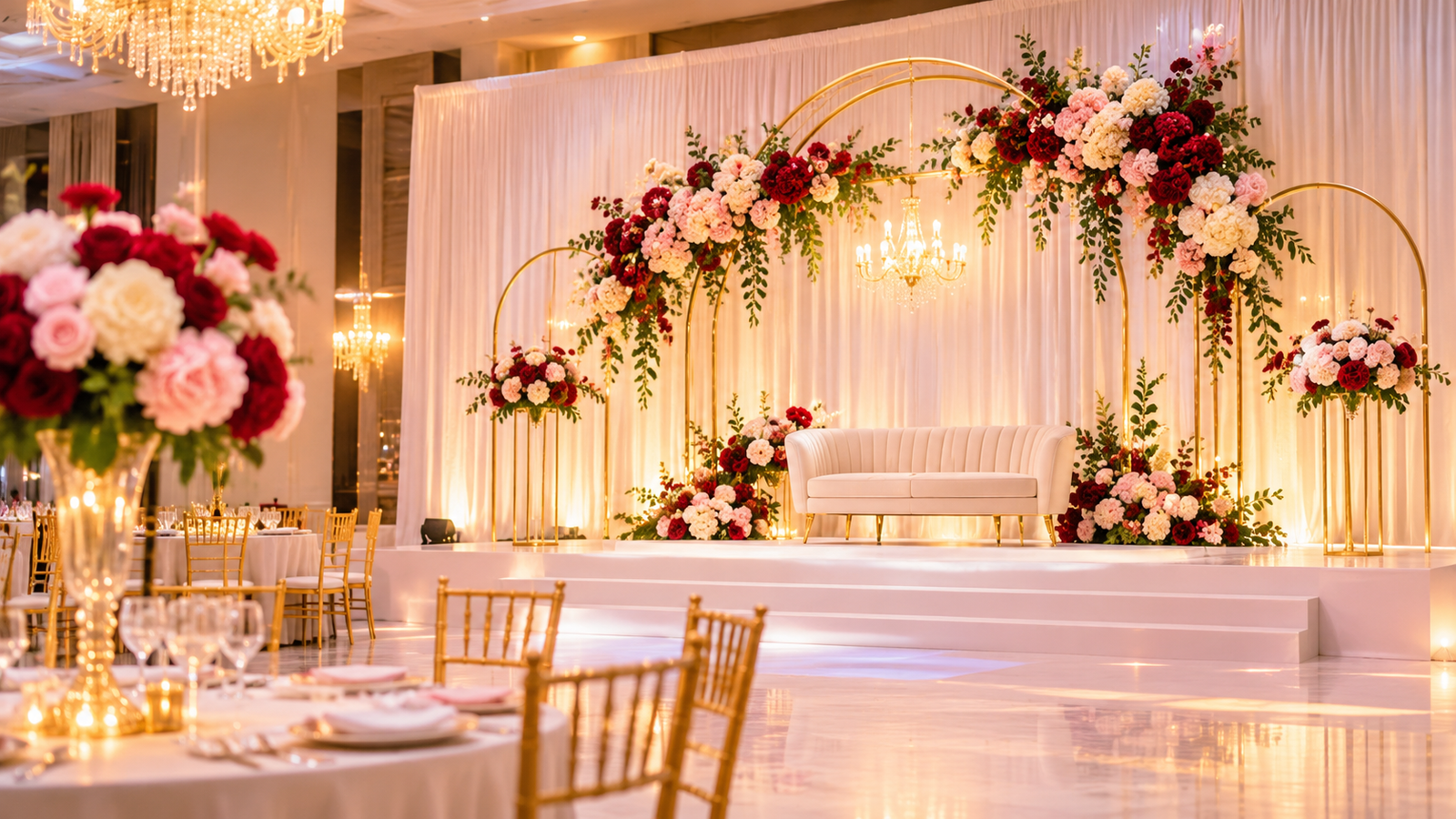
A cohesive wedding experience depends on how décor, lighting, sound, stage design and guest movement work together. Planners help translate inspiration images into a design brief, confirm venue restrictions and coordinate technical suppliers. Practical details—such as load-in access, power needs, seating layout and safe walkways—deserve as much attention as flowers and colour palettes. A final production schedule should identify who is responsible for each installation, test and handover.
8. Preparing for Weather and Last-Minute Changes
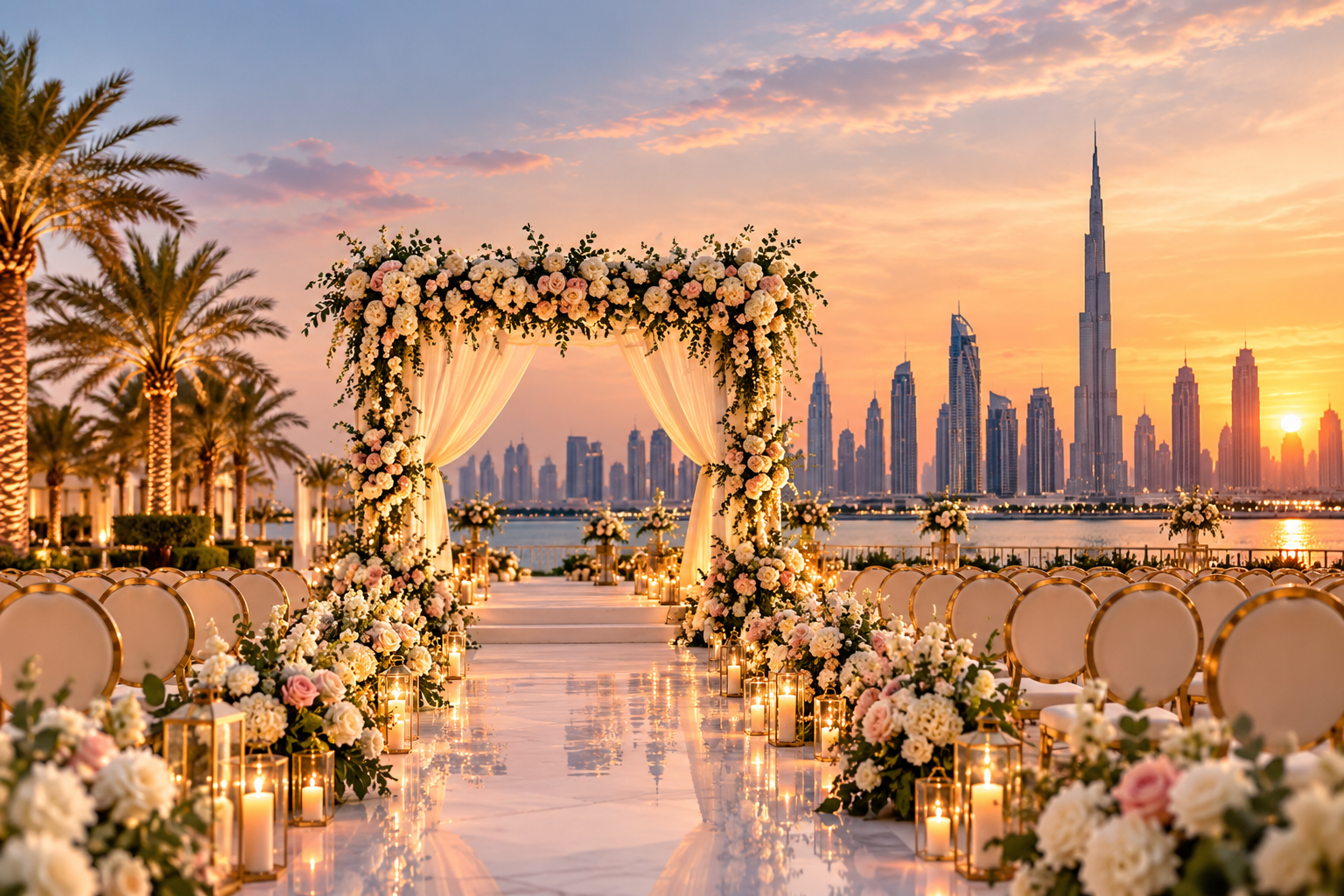
Dubai’s climate makes seasonal planning important, particularly for outdoor celebrations. Couples should discuss heat, wind and potential weather disruptions with the venue and planner rather than assuming an outdoor setup will always be suitable. Backup indoor space, revised timings and supplier contingency arrangements should be agreed before the wedding week. Clear decision deadlines help the team act quickly if circumstances change.
9. Coordinating the Wedding Day
On the day, the planner or coordination team manages the running order, communicates with suppliers and monitors key transitions. Typical responsibilities include confirming setup completion, checking décor against the approved plan, briefing vendors, coordinating entrances and responding to timing changes. The precise scope depends on the package. Before signing, couples should confirm whether the service includes full planning, partial planning or wedding-day coordination only. See our overview of wedding planner packages in Dubai.
10. Choosing the Right Dubai Wedding Planner
Ask prospective planners about their destination wedding experience, planning process, reporting frequency, supplier selection and emergency arrangements. Request a clear scope of work and a realistic payment schedule. A good working relationship matters: couples planning from overseas need timely answers and transparent updates. Compare options using our article on questions to ask before hiring a wedding planner.
Plan Your Destination Wedding With Adnan Events
Adnan Events works with couples exploring wedding and event planning in Dubai. Our team can discuss your celebration goals, preferred setting, event requirements and the level of planning support you need. Start with a clear conversation about your priorities so that the next steps are practical, organised and aligned with your vision.
Discuss Your Dubai Destination Wedding
Tell us about your date, guest count and wedding ideas. Contact Adnan Events to discuss planning support for your celebration.
Frequently Asked Questions
Can I plan a Dubai destination wedding without visiting first?
Many early decisions can be made through video meetings, venue walkthroughs and written proposals. An in-person visit may still be useful for final checks.
How early should I contact a wedding planner in Dubai?
Contact planners as soon as you have an approximate date, guest count and budget. Popular venues and suppliers may need more lead time.
Does a wedding planner arrange guest flights and visas?
Do not assume so. Ask which travel or hospitality tasks are included. Guests should verify entry requirements with official authorities.
Will the planner manage vendors on the wedding day?
Full-service planning often includes vendor coordination, but exact responsibilities should be listed in your contract.
Can a planner help with outdoor wedding backup arrangements?
A planner can coordinate contingency discussions with the venue and suppliers, subject to the services you book.
How are wedding planning costs calculated?
Pricing varies by scope, guest count, complexity and supplier needs. Request an itemised proposal that identifies exclusions.
Can couples choose their own wedding suppliers?
Often yes, but discuss outside-vendor policies with the planner and venue before confirming arrangements.
What information should we prepare for the first consultation?
Share preferred dates, estimated guest count, budget range, style references and any important family or ceremony requirements.
Who approves final décor and production details?
The couple should approve the final brief, with the planner documenting agreed changes and sharing them with relevant vendors.
What is the difference between full planning and day-of coordination?
Full planning covers decisions and arrangements over time; day-of coordination focuses primarily on executing an established plan.