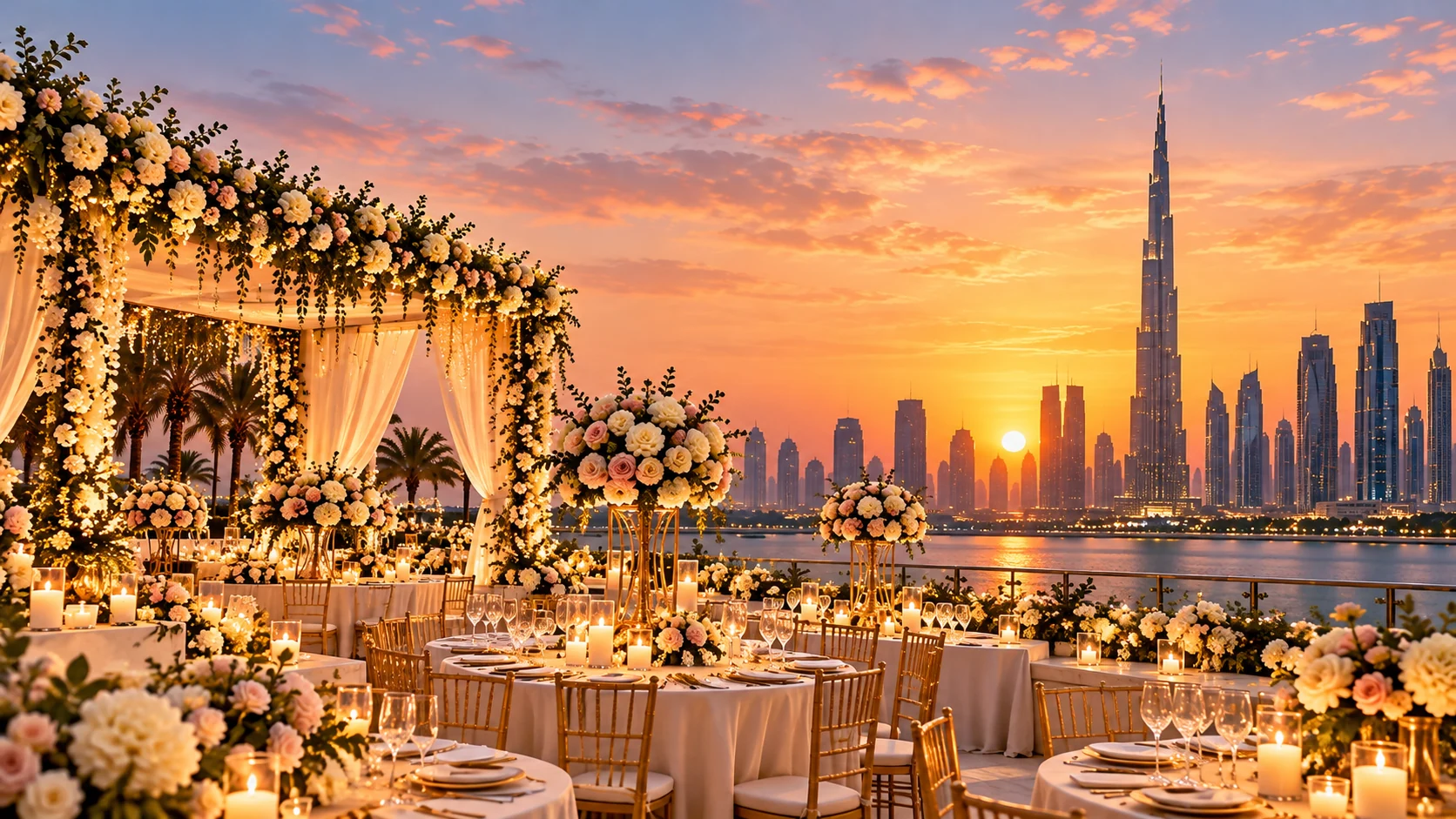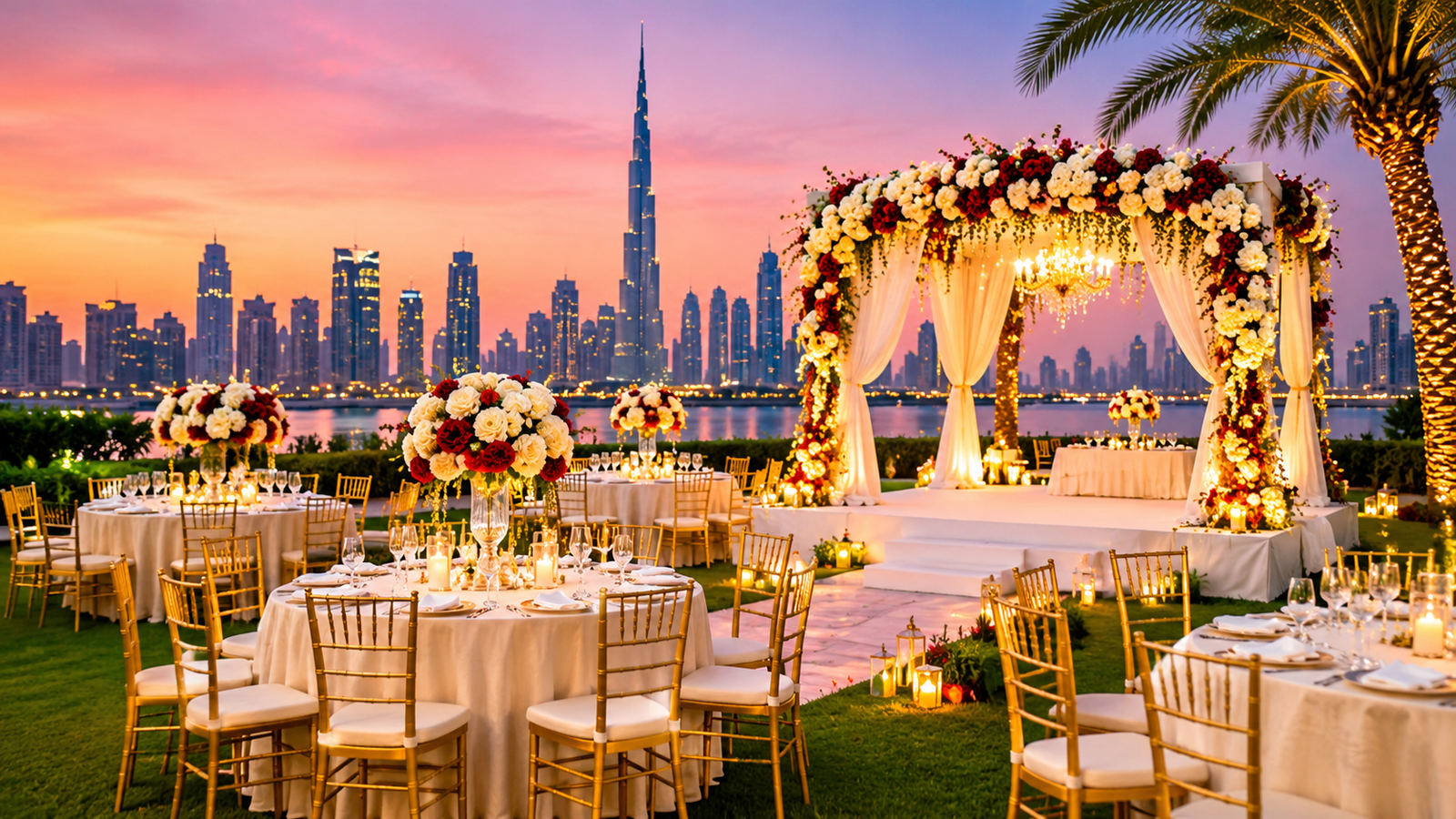
What does an event planner in Dubai do? An event planner manages the journey from the first idea to the final event-day details. Their work can include developing a concept, setting a budget, finding a venue, coordinating suppliers, planning guest logistics, building a timeline and supervising delivery. The precise services depend on the package agreed with the client.
Whether you are arranging a wedding, corporate gathering, product launch or private celebration, understanding the planner’s role helps you decide what support you need and how to compare proposals.
What does an event planner in Dubai actually do?
An event planner turns a client’s objectives into a coordinated event experience. The work typically starts with a discovery meeting and continues through concept development, budgeting, venue research, supplier coordination, guest logistics, scheduling and event-day supervision. The exact responsibilities depend on the agreed service package. Some clients need full-service event management, while others need help with a particular stage, such as production planning or on-site coordination. A professional planner makes the responsibilities, timelines and approvals clear before work begins.
Step 1: Understand the event brief and objectives
The first task is to understand why the event is being held and what success should look like. A wedding may prioritise guest comfort, atmosphere and personal traditions. A corporate launch may focus on brand presentation, audience engagement and an organised programme. The planner discusses the event type, preferred date, target guest count, location, budget range and any non-negotiable requirements. For corporate clients, the brief may also identify speakers, VIPs, stakeholders, accessibility requirements and reporting expectations. This discovery stage helps avoid costly changes later.
Step 2: Develop the event concept and experience
Once the brief is clear, the planner translates it into a practical concept. This may involve a theme, colour palette, guest journey, seating format, décor direction, stage layout, lighting style and entertainment approach. Concept development is more than creating attractive mood boards: the idea must work within the venue, schedule and budget. A strong proposal explains how guests arrive, move through the space, experience key moments and leave the event. Client approval at this stage creates a shared creative direction for suppliers.
Step 3: Build a realistic event budget
Budget planning identifies the major cost categories and separates essential expenses from optional enhancements. Common categories include venue hire, catering, décor, audiovisual equipment, entertainment, photography, transport, staffing and planning fees. An event planner in Dubai should explain which services are included in the planner’s fee and which will be quoted by external vendors. Allowing for contingencies and setting an approval process for changes helps prevent surprises. For more detail, read our guide to event management costs in Dubai.
Step 4: Research venues and assess suitability
The venue influences almost every other decision. A planner may shortlist locations based on capacity, event style, location, guest access, available dates, catering arrangements, technical facilities and budget. Site visits help assess the floor plan, loading access, staging areas, restrooms, accessibility and backup options. In Dubai, the team should also confirm the venue’s policies and any event-specific permissions or operational restrictions with the appropriate parties. A visually impressive venue is not necessarily the right operational fit.
Step 5: Source and coordinate trusted suppliers
Depending on the event, a planner may coordinate caterers, decorators, florists, furniture providers, photographers, entertainers, audiovisual technicians, printers, transport providers and security personnel. The planner gathers comparable quotations, checks deliverables and clarifies who is responsible for each task. Supplier coordination includes schedules, contact details, installation windows, technical requirements and approval deadlines. Good coordination reduces the risk of missed deliveries, conflicting instructions and duplicated costs.
Step 6: Plan the guest experience and logistics
A successful event feels effortless to guests because the practical details have been considered in advance. These can include invitations, RSVPs, registration, seating plans, directional signage, parking guidance, guest transport, special dietary needs and accessibility. For international guests, planners may help coordinate arrival information and venue communications. The level of guest support should be defined in the proposal. Clear communication before the event helps attendees know where to go, when to arrive and what to expect.
Step 7: Create the event timeline and production plan
The event timeline connects all the moving parts. A planning schedule tracks decisions and supplier deadlines in the weeks or months before the event. A detailed run-of-show then sets out the event-day sequence: supplier arrival, setup, sound checks, guest entry, speeches, performances, meal service and breakdown. For events with stage presentations, rehearsals and technical cues are especially important. The planner should assign an owner to every key activity and maintain a contact list for quick escalation.
Step 8: Manage approvals, risk and contingency planning
Even carefully organised events can face changes. A planner reviews likely operational risks, such as supplier delays, equipment problems, last-minute guest adjustments or unsuitable weather for an outdoor setup. The response may involve backup equipment, alternative layouts, contingency time or clear decision-making responsibilities. Relevant venue rules, supplier insurance and required approvals should be checked rather than assumed. Contingency planning protects the guest experience and gives clients a clear process when decisions must be made quickly.
Step 9: Coordinate setup and event-day delivery
On event day, the planner or appointed coordinator checks that suppliers arrive at agreed times, installations match approved plans and the venue is ready before guests enter. The team may supervise décor, seating, signage, registration, rehearsals and the timing of the programme. During the event, the coordinator communicates with suppliers and manages adjustments without interrupting the client unnecessarily. After the event, the team may oversee breakdown, supplier sign-off and any agreed post-event tasks. The exact level of on-site staffing depends on the contracted scope.
How does event planning differ for weddings and corporate events?
The planning process shares a common structure, but priorities change. Weddings often involve family coordination, ceremony schedules, personal styling, guest hospitality and entertainment. Corporate events can involve branding, speaker management, presentations, audience registration, stakeholder approvals and technical production. Private birthday celebrations may focus more heavily on theme, décor and entertainment. An experienced event management company in Dubai should adapt its workflow rather than apply the same checklist to every occasion.
Full-service event planning vs event-day coordination
Full-service planning usually begins early and may cover concept, budget, venue, suppliers, logistics and on-site delivery. Event-day coordination generally begins later and focuses on implementing plans that are already substantially complete. Partial planning sits between the two, covering selected areas where the client needs professional support. Before hiring, request a written scope describing what the planner will manage, what the client must arrange and which supplier contracts remain the client’s responsibility.
What should you ask before hiring an event planner in Dubai?
Ask about experience with your event type, who will be your main contact, how often progress updates will be shared, and how budgets and changes are approved. Clarify whether the planner attends site visits, manages vendor payments, handles event permits where relevant and supervises breakdown. Request an example planning timeline and an itemised quotation. For a broader comparison, explore our guide to choosing an event management company in Dubai.
A practical event-planning timeline
The ideal lead time depends on event size and supplier availability. Early planning is useful for securing venues and high-demand suppliers; later phases concentrate on finalising guest numbers, designs and operational details. The timeline below is illustrative rather than a guaranteed schedule. Large or highly customised events may need more preparation time.
| Stage | Typical planning focus |
|---|---|
| Initial phase | Brief, objectives, budget, venue shortlist and concept |
| Development phase | Supplier selection, designs, guest logistics and contracts |
| Final preparation | Confirmations, floor plan, final numbers and run-of-show |
| Event day | Setup checks, rehearsals, guest experience and supplier coordination |
| After the event | Breakdown, supplier close-out and agreed follow-up |
How to prepare for your first planning consultation
Bring your preferred dates, estimated guest count, approximate budget, desired location and examples of the atmosphere you want. Explain the event’s purpose, key programme moments and any special requirements. If you already have a venue or suppliers, share those details as well. The clearer the brief, the easier it is for an event planner in Dubai to recommend an appropriate level of service and develop a useful initial proposal.
Adnan Events – Professional Event Planning Services in Dubai
Adnan Events is an event management company in Dubai helping clients turn meaningful occasions into carefully coordinated experiences. From weddings and private celebrations to corporate events, the team can discuss your goals, venue preferences, guest requirements and creative ideas. With a clear brief and an agreed scope of work, Adnan Events can help you explore the planning support needed to bring your event together.
Plan Your Next Event in Dubai with Adnan Events
Have an event idea but need help turning it into a well-organised experience? Adnan Events can discuss your vision, budget, guest count and preferred date to help identify the right event planning services in Dubai. Whether you are organising a corporate gathering, wedding, birthday party or private celebration, our team can help you explore the practical details that matter most. Contact us to share your requirements, discuss available planning support and request a personalised quotation for your upcoming event.
Frequently Asked Questions
What services does an event planner in Dubai provide?
Services may include concept design, budgeting, venue research, supplier coordination, guest logistics, scheduling and event-day management, depending on the agreed scope.
Can an event planner manage both corporate events and weddings?
Some planners work across several event types. Ask for relevant experience and a proposal tailored to your specific occasion.
Does an event planner book the venue?
Venue research and booking assistance may be included in full-service planning, but the exact responsibility should be confirmed in the contract.
When should I hire an event planner in Dubai?
Ideally, engage a planner early enough to secure preferred venues and suppliers. The lead time depends on event scale, date and complexity.
Is event-day coordination the same as full-service planning?
No. Event-day coordination focuses on executing existing plans, while full-service planning usually begins with the initial brief and covers a broader scope.
Will the event planner manage suppliers and vendors?
Supplier coordination is commonly offered, but confirm whether sourcing, contracting, payment administration and on-site supervision are included.
How can I keep my event within budget?
Agree on priorities, request itemised quotations, approve changes in writing and keep a contingency allowance for unexpected needs.
How do I request an event planning quote from Adnan Events?
Share your event type, preferred date, guest count, venue preference, budget range and key requirements through the Adnan Events contact page.